By Ailsaine Rowan Quenford · Publisher: Starlit District Arrival Correspondence
A city resort arrival often looks simple in a photograph: lights above a doorway, a waiting car and a bright lobby beyond. The practical journey is less tidy. A driver needs a usable entrance, luggage needs somewhere to wait, and a late traveller needs to know whom to contact. Those details matter more than the angle of the skyline.
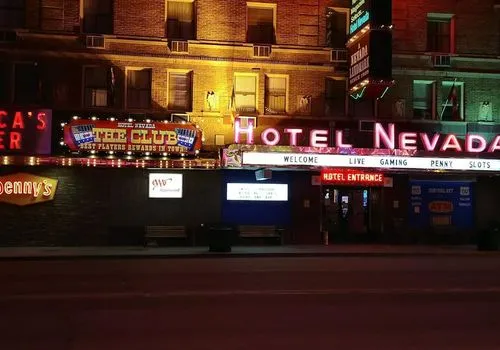
The address behind the atmosphere
The Starlit District introduction describes an urban gaming retreat, while the contact block names Hotel Grand Seaside and a Finnish address. Keep both pieces of existing information in view. They do not establish that a pictured city entrance is your booked destination. Ask the booking contact to confirm the property name, complete address and entrance before arranging transport.
For an autumn 2026 trip, save the confirmation itself rather than relying on an old map search. A useful message states where a car can stop and whether the entrance changes outside reception hours. If the response is unclear, ask one precise follow-up question. A short written answer is easier to use on a pavement than a long description of the hotel’s atmosphere.
Put the final steps in order
- Match the booking name to the confirmed street address.
- Save the entrance instructions where they work offline.
- Agree on a contact method if the journey is delayed.
A useful handover
Arrival time and room access are separate questions. An early train does not establish an early check-in, and a late performance does not establish overnight luggage storage. Describe your actual timing when asking about arrangements. Include the size of awkward bags and any difficulty with steps, because an attractive front entrance may tell you little about the easiest route inside.
Compare answers by what they allow you to do, rather than by how welcoming they sound. A confirmed bag drop can make lunch possible before the room is ready. An unconfirmed promise leaves you planning around luggage. Keep essential medication, documents and a charging cable with you, so a temporary handover does not also remove the things needed for the next few hours.
Before leaving a bag, agree on how you will identify it at collection and where to return if the reception desk moves for the night. Keep any collection slip with your essentials rather than inside the stored suitcase. If companions arrive separately, give each person the same confirmed instructions. This small check avoids a second journey across unfamiliar streets and keeps the first meal from becoming a search for luggage or a missing message.
| Detail | What to confirm |
|---|---|
| Street address | The exact booked property and usable entrance |
| Bag storage | Hours, collection arrangements and any charge |
| Room access | The confirmed time and procedure for delays |
The journey back
A city resort arrival plan becomes more useful when it includes the return from dinner or a show. Save a clear meeting point that does not depend on remembering which glass doorway looked familiar. Ask about access after the main doors close. Keep enough phone power for the journey, and avoid making the last available connection the only way back to the property.
- Choose a recognisable meeting point away from moving traffic.
- Keep the confirmed address with the booking reference.
- Leave space for weather, queues and a slower walking pace.
The room is the next part of this practical sequence. Our skyline room article considers what a view photograph leaves unanswered. When the evening itself needs shape, the dinner and rooftop notebook helps separate fixed reservations from optional plans.
Author’s opinion
I would rather arrive with one confirmed entrance and a modest first evening than a full itinerary built on an uncertain address. The skyline can wait until the bags are settled. A clear handover gives the stay a calmer beginning and leaves more attention for the city, the company and whichever parts of the resort you actually want to use.